
AR

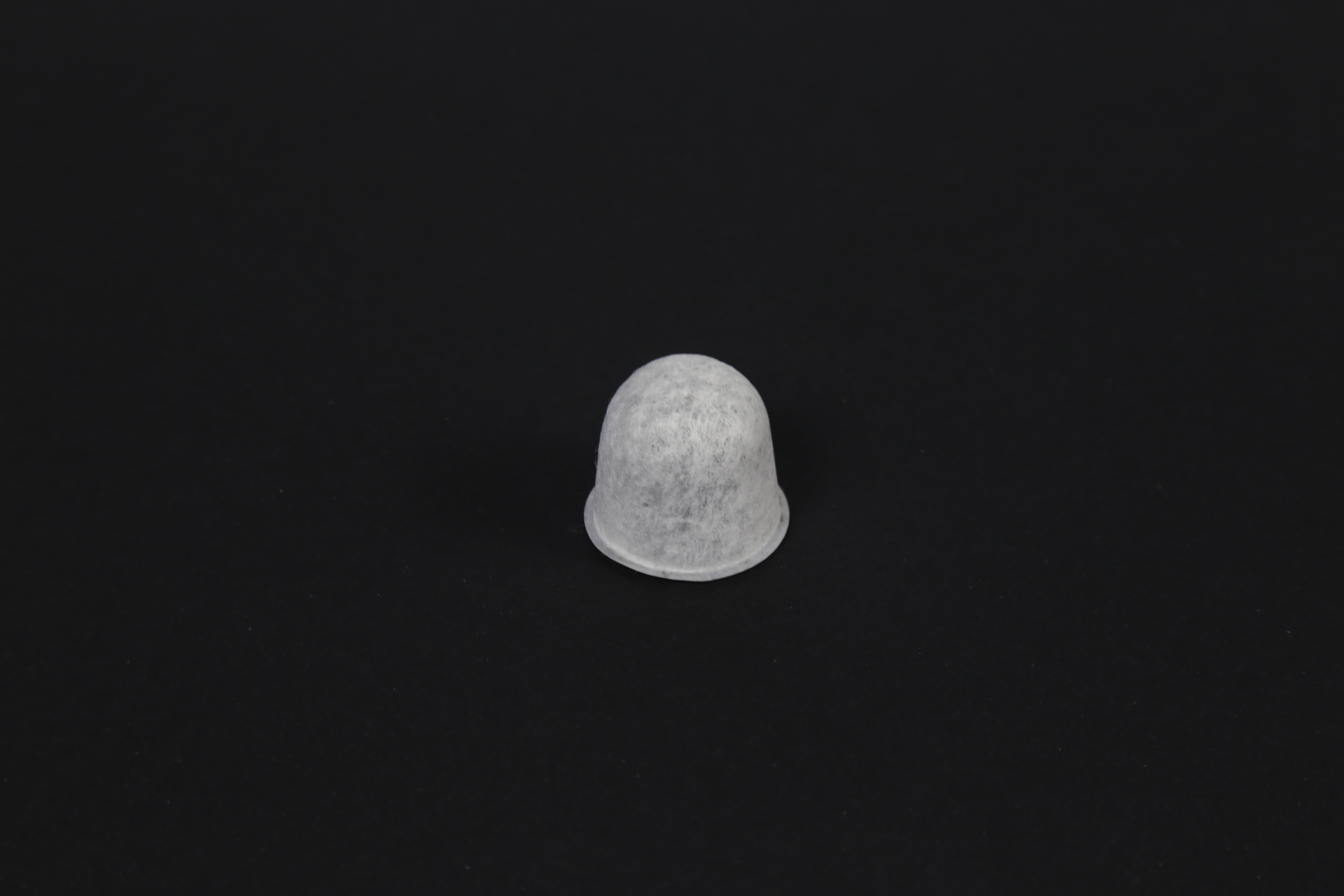
Celrith coffee machine filters compatible with Hamilton Beach are water purification cartridges that reduce scale, chlorine, odour and other waterborne impurities before they reach your espresso or brew path. They are designed for automatic, semi-automatic and commercial coffee machines, as well as for OEM/ODM water filter programmes. If your water leaves chalky deposits or a flat taste in the cup, this filter is built to take that load off the machine.
Water is the largest ingredient in every cup, and it carries more than you might expect: temporary hardness that forms limescale, residual chlorine and its by-products, organic odours, sediment and fine rust particles. In a coffee machine, these contaminants do not simply pass through. Calcium and magnesium precipitate as scale on heating elements and thermoblocks; chlorine masks the volatile aromatics that give coffee its character; sediment can clog small orifices and valves. The result is a machine that works harder, drinks that taste dull or chemical, and maintenance intervals that shorten.
Celrith addresses this at the inlet. The cartridge combines high-quality coconut-shell activated carbon with food-grade ion exchange resin. The carbon adsorbs chlorine, odours and organic compounds, while the resin exchanges hardness minerals that would otherwise scale. Fine microporous interception captures sediment and rust before they enter the brew circuit. The filter does not alter the mineral balance more than necessary for taste and machine protection; it reduces the load so the machine can do its job.
Scale is the most visible cost of untreated water. Each millimetre of limescale on a heating surface acts as insulation, increasing energy use and extending heat-up times. In commercial settings, where machines run back-to-back, scale can lead to blocked solenoids, erratic temperature control and unplanned downtime. Chlorine and odour compounds add a second burden: they affect extraction and leave a persistent off-note that customers notice even if they cannot name it.
Sediment and rust particles create a third load. They abrade seals, lodge in small passages and reduce flow through shower screens and valves. For an operator, the symptoms accumulate gradually: slower fill, uneven extraction, more frequent descaling and, eventually, service calls. A filter that removes these contaminants upstream protects the machine's critical components and stabilises the daily routine.
Celrith's cartridge is rated for 20–120 psi operating pressure and 2°C–38°C, cold water only. That range covers most mains-fed coffee installations. By matching the filter to the machine's flow and pressure, you reduce the chance of bypass or premature clogging.
The filter uses two active media in series. Coconut-shell activated carbon provides a high surface area for adsorbing chlorine, taste and odour compounds. Food-grade ion exchange resin reduces hardness to limit scale formation. The media are contained so that water contacts them evenly, and the cartridge's fine microporous structure intercepts sediment and rust before the water reaches the brew path. The result is water that is cleaner in taste and gentler on the machine.
Celrith manufactures this cartridge as a direct replacement for Hamilton Beach machines, with dimensions and connections matched to the original specification. For OEM customers, the same platform can be adapted in size, connection type, media blend and branding. Because Celrith controls the production process in its own plant, changes can be validated through the company's CNAS-accredited laboratory before a batch is released.
The filter life is approximately 250 litres or 2–3 months, depending on local water quality and usage frequency. In hard-water areas or high-volume settings, replacement should follow the observed flow and taste, not just the calendar. Celrith supplies the cartridge with clear guidance so users can set a replacement routine that matches their conditions.
| Item | Detail |
|---|---|
| Filtration media | High-quality coconut-shell activated carbon and food-grade ion exchange resin |
| Micron rating | Fine microporous interception; captures sediment, rust and large particles |
| Filter life | Approximately 250 litres or 2–3 months (depends on local water quality and usage frequency) |
| Operating pressure | 20–120 psi (approximately 1.4–8.3 bar) |
| Operating temperature | 2°C–38°C (cold water filtration only) |
| Applications | Automatic coffee machines, semi-automatic espresso machines, commercial coffee machine water softening, OEM water filter cartridges and custom production |
| Quality certification system | Production complies with ISO 9001/14001, IATF 16949, medical supplies GMP standard, CNAS national-level testing certification |
This filter is used by coffee shops and restaurants that need consistent water for espresso and batch brewing; by offices and hospitality sites where machines run daily; and by appliance service providers who maintain Hamilton Beach equipment. It is also used by brands and distributors that need an OEM water filter cartridge built to their specification.
For a café, the benefit is fewer descaling interruptions and a more stable cup profile. For an office, it is simpler maintenance and better-tasting coffee without bottled water. For an OEM customer, it is a production-ready platform that can be adapted without losing the underlying filtration performance.
Celrith products are manufactured under a quality and environmental management system that holds ISO 9001, ISO 14001 and ISO 45001 certification. Products comply with REACH and RoHS requirements, and compliance documents are available on request. In 2024, the company added IATF 16949 certification, reflecting its approach to process control and traceability.
The company's own laboratory is CNAS-accredited and can issue test reports covering filtration efficiency, dust holding capacity and resistance. The production base covers 50,000 m², including 6 cleanrooms totalling 20,000 m², which helps protect filter media from contamination during assembly. Celrith has more than 20 years of filtration development and manufacturing experience and has supplied export markets in Europe, the United States, Japan and South Korea for over 20 years. The company is located in Zhongshan, Guangdong, China.
To recommend the right Celrith filter for your machine or programme, we need a few details: the device or vehicle model (for coffee machines, the Hamilton Beach model or equivalent), the size or a drawing of the cartridge you are replacing, the required airflow or water flow, the operating conditions (pressure, temperature, water hardness), and the quantity you expect to order. With those, we can confirm fit, media options and a quotation.
Send your requirements through our contact page and our team will respond with the next steps.
The Celrith coffee machine filter uses coconut-shell activated carbon and food-grade ion exchange resin to reduce chlorine, taste and odour compounds, hardness minerals that cause scale, and sediment or rust particles. It is intended for cold water filtration only, within 2°C–38°C and 20–120 psi. This combination protects the machine and supports a cleaner cup.
The ion exchange resin reduces the hardness minerals that form limescale on heating elements and thermoblocks. By lowering scale build-up, the filter helps maintain heat transfer and flow, which can reduce descaling frequency and energy waste. For best results, replace the cartridge at the recommended interval for your water hardness.
This cartridge is designed as a compatible replacement for Hamilton Beach coffee machines, with dimensions and connections matched to the original specification. For OEM/ODM orders, Celrith can customise size, connection type, media blend, logo and packaging. Custom development is supported by the company's CNAS-accredited laboratory and cleanroom production.
Samples of standard specifications can be provided for fit testing, and custom samples are developed based on the drawing or requirements you supply. Quotations are prepared after we receive the device model, size or drawing, flow requirement, operating conditions and estimated quantity. Standard compatible models have a MOQ of 5,000 pieces and are typically delivered in 15–20 days; OEM customised models are recommended from 10,000 pieces with a production cycle of about 25–30 days including tooling or packaging development.
The rated life is approximately 250 litres or 2–3 months, whichever comes first, depending on local water quality and usage frequency. In hard-water areas or high-volume settings, replace earlier if you notice slower flow, scale or a change in taste. Keeping to the interval helps maintain both water quality and machine protection.
Production follows ISO 9001, ISO 14001 and IATF 16949, and the company also holds ISO 45001. The filter materials are food-grade, and the product complies with REACH and RoHS requirements. Testing is carried out in Celrith's CNAS-accredited laboratory, and compliance documents can be provided for your market.
For standard compatible models, the MOQ is 5,000 pieces, with delivery typically in 15–20 days for stock or small batch orders. For OEM customised models, the recommended MOQ is 10,000 pieces, and the production cycle is about 25–30 days including tooling or packaging development. Lead times are confirmed with your quotation.
Yes. Share your device model, water hardness, pressure, temperature and daily volume, and we can recommend the appropriate cartridge and replacement interval. If you are developing an OEM product, we can also discuss media options and sample validation. Please send your details through our contact page to start the conversation.