
AR

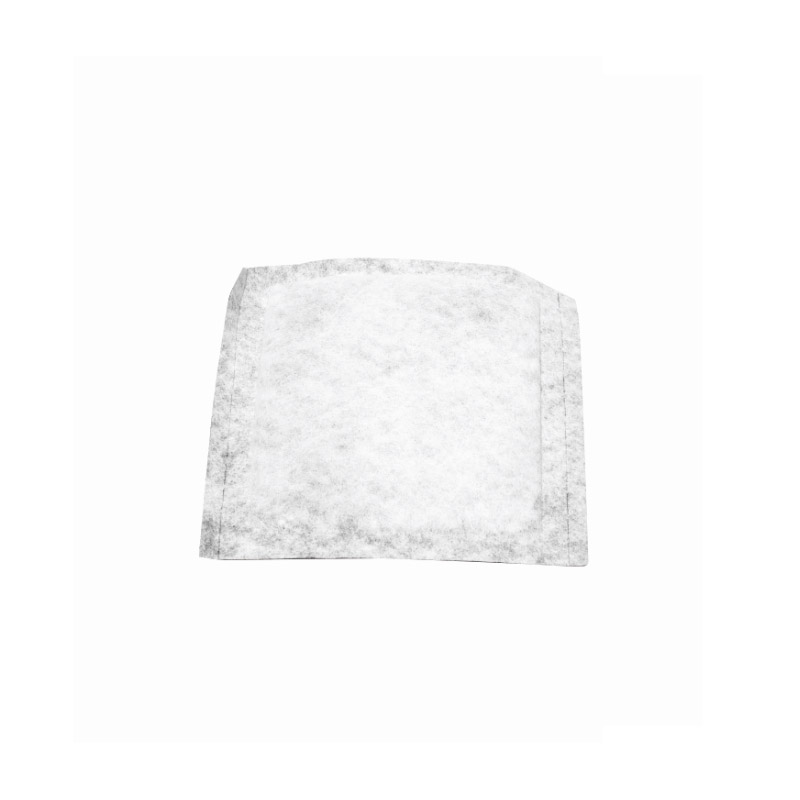
The Celrith Pet Toilet Filter Cartridge is a coconut shell activated carbon filter designed to capture ammonia, hydrogen sulfide, and other volatile odors from pet waste. It fits inside smart litter boxes, automatic pet toilets, pet air-purifying pods, and similar enclosed units. It is built for pet-product brands and OEM buyers who need reliable odor control in a custom-sized filter. Celrith manufactures it in Zhongshan, Guangdong, China, with options for sizing, carbon grade, and packaging.
Pet waste releases a complex mix of gases. Ammonia creates the sharp, persistent smell that builds up quickly in enclosed litter areas. Hydrogen sulfide adds a rotten-egg note, while other volatile organic compounds (VOCs) contribute to the overall odor load. In a litter box or automatic toilet, these gases concentrate in a small air volume and can migrate into the room whenever the unit cycles or the lid opens.
Left unmanaged, the problem compounds. Odor molecules accumulate in the device’s internal air path, settle on surfaces, and can be pushed back into the living space by fans or ventilation. Pet owners notice the smell first, but the long-term effect is reduced willingness to use the device consistently. A dedicated filter placed in the air path intercepts these gases before they escape, keeping the immediate environment fresher and supporting better hygiene around the pet area.
Odor is not the only burden. Airborne particles from litter dust, dander, and dried waste can coat fans, sensors, and internal surfaces. When these particles combine with moisture, they can form sticky deposits that are difficult to clean and may interfere with moving parts or air-quality sensors in automatic units. The result is more frequent maintenance and, in some cases, shortened component life.
At the same time, the filter itself must not create excessive resistance to airflow. A dense or poorly designed filter can starve the device’s fan, reducing its ability to cycle air through the treatment zone. The challenge is to balance high adsorption capacity with low pressure drop so that the device’s airflow design works as intended. This is where material selection and filter construction matter: the carbon must be highly porous and well distributed, and the supporting structure must allow air to pass evenly across the media.
Celrith uses high-iodine coconut shell activated carbon as the core adsorbent. Coconut shell carbon is known for a microporous structure that provides a large surface area for capturing small gas molecules such as ammonia and hydrogen sulfide. The carbon is combined with an environmentally friendly PET structure that holds the media in place while allowing air to move through. This PET construction is lightweight and durable, and it can be cut, edge-sealed, or shaped to match a customer’s device cavity.
The filter is wrapped with non-woven fabric to contain carbon fines and prevent dust from entering the device. By placing the carbon in the air path, the filter adsorbs odor molecules before they recirculate into the room. The design prioritizes both adsorption capacity and breathability, so the device’s fan does not have to work harder than necessary. For OEM projects, Celrith can adjust carbon type and fill weight to target specific gases or to match a desired replacement interval. The result is a filter that reduces the odor load at the source and helps protect downstream components from dust and sticky deposits.
| Item | Detail |
|---|---|
| Product name | Pet toilet filter cartridge / pet deodorizing activated carbon filter |
| Core material | High-iodine coconut shell activated carbon + environmentally friendly PET material |
| Core function | Strong adsorption of odors; removes ammonia, TVOC, and other volatile odors from pet waste |
| Applications | Built-in filters for smart litter boxes, automatic pet toilets, pet air-purifying pods, pet deodorizers, and similar devices |
| Dimensions | Customized on request. Cutting, edge sealing, and special shape processing are available to match customer molds and device cavities. |
| Recommended replacement interval | 1–3 months, depending on the number of pets and how often the device runs |
| Production certification standards | Complies with ISO 9001/14001, IATF16949, BSCI, and environmentally friendly non-toxic directives; export-quality for Europe and North America |
This filter is used by pet-product brands that want to add or improve odor control in their devices. Smart litter box manufacturers use it as a serviceable cartridge that owners can replace. Automatic pet toilet makers integrate it into the exhaust path to reduce odors released during cycles. Pet air-purifying pod and deodorizer brands use it to treat air in enclosed pet spaces. OEM buyers and distributors source it for private-label replacement filter programs.
Because the filter is custom-sized, it suits projects where a standard cartridge does not fit the device cavity. Celrith works with customers to match dimensions, carbon grade, and packaging to the target market. The filter is not a standalone air purifier; it is a component designed to be part of a device’s air-management system.
Celrith’s products comply with REACH and RoHS environmental regulations, and compliance documents can be provided. The company holds ISO 9001, ISO 14001, and ISO 45001 management system certifications, and it opened its IATF 16949 automotive quality management system certification in 2024. These systems support consistent production and traceability across batches.
The in-house laboratory is CNAS-accredited and can issue test reports for filtration efficiency, dust holding capacity, and resistance. The production base covers 50,000 m², including six cleanrooms totaling 20,000 m², where filter media and finished products are made in a controlled environment. Quality control runs through IQC, IPQC, and OQC stages, and samples from each batch are retained. With more than 20 years of experience in filtration research and manufacturing, Celrith has developed over 1,000 filtration solutions and exports to Europe, the United States, Japan, and South Korea. Multiple automated production lines support monthly capacity in the millions of pieces.
To get an accurate quote for your project, please share the following details with our team: the device or vehicle model (if applicable), the required size or a drawing, the airflow or water flow of your system, the operating conditions such as temperature and humidity, and your estimated quantity. This information helps us recommend the right carbon grade, fill weight, and construction for your application. Contact us to start the conversation.
It targets ammonia, hydrogen sulfide, TVOC, and other volatile odor molecules from pet waste. The high-iodine coconut shell activated carbon adsorbs these gases as air passes through the filter. It also helps contain carbon fines and dust with its non-woven fabric wrap.
Celrith recommends replacing the filter every 1–3 months, depending on the number of pets and how often the device operates. In single-pet households, the longer end of that range may apply; multi-pet homes usually need more frequent changes. Actual life varies with humidity and usage patterns.
Yes. The filter is customised on request in size and shape, with cutting, edge sealing, and special shape processing available to match your mold and device cavity. Carbon type and fill weight can also be adjusted to target specific gases or a preferred replacement interval.
For standard specifications, the MOQ is typically 5,000 pieces. Customised products may require a higher MOQ, generally starting from 10,000 pieces, depending on tooling and packaging requirements. Please confirm the exact MOQ for your configuration with our sales team.
Standard products ship within 25–30 days after order confirmation and payment. Customised items that involve tooling or printing typically take about 35–45 days. Long-term customers may be eligible for priority scheduling and VMI inventory management.
Yes. Stock standard samples are usually provided free of charge; you only cover the international courier cost. Customised samples carry a sampling fee, which can be deducted from the bulk order payment. Samples are typically sent within 3–7 working days, and CNAS test reports and material specifications can be included.
Celrith products comply with REACH and RoHS environmental regulations, and compliance documents are available on request. The company holds ISO 9001, ISO 14001, and ISO 45001 certifications, and its IATF 16949 certification was obtained in 2024. These support export to Europe, the United States, Japan, and South Korea.
Production runs in a 50,000 m² facility that includes six cleanrooms totaling 20,000 m². The CNAS-accredited in-house lab can test activated carbon iodine value, CTC value, deodorization efficiency, dust shedding, and microbial indicators. Quality control covers IQC, IPQC, and OQC, with batch samples retained for traceability.