
DE-DE

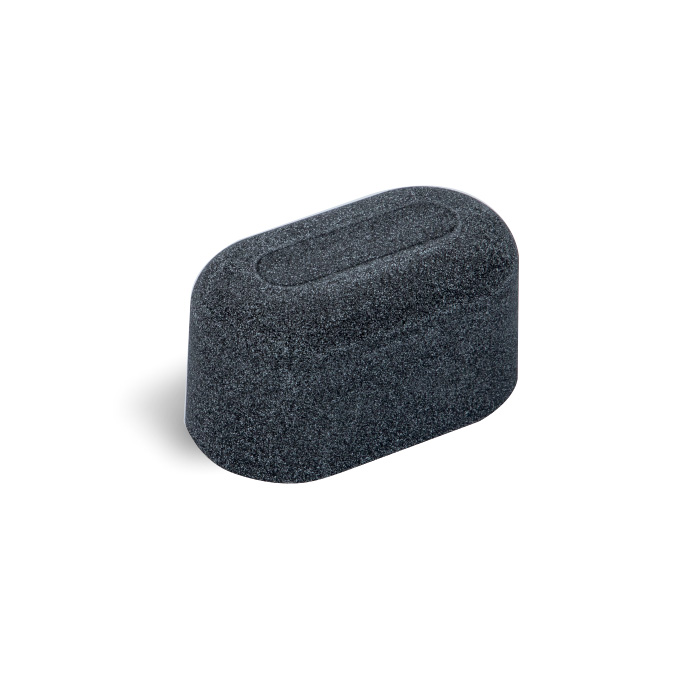
Celrith Activated Carbon Filter Cartridge (Lead Removal) is a water jug filter that combines coconut-shell activated carbon with ion-exchange resin to reduce chlorine, odour, heavy metals such as lead and copper, and scale-forming minerals. It is designed for household water pitchers, portable sports bottles, and appliance water tanks, and it is manufactured by Celrith in Zhongshan, Guangdong, China. The cartridge relieves the load that these contaminants place on downstream equipment and on the people who use it.
Tap water can carry a mixture of contaminants that affect taste, appearance, and equipment performance. Residual chlorine and its by-products create unpleasant odours and can react with organic matter. Heavy metals such as lead and copper may be present in older plumbing systems, and hardness minerals—calcium and magnesium—form scale that coats heating elements and internal surfaces. Suspended solids like silt and rust add turbidity and can clog narrow passages. In everyday use, these contaminants are not just an aesthetic issue; they accumulate in kettles, coffee machines, and water tanks, reducing efficiency and shortening service life.
For households and brands that supply drinking water appliances, the challenge is to remove these contaminants reliably without introducing new problems such as carbon fines or a noticeable drop in flow rate. A filter must also be safe for potable water contact and consistent from one cartridge to the next.
When unfiltered water is used in jugs, bottles, or appliance reservoirs, the burden shows up in several ways. Scale deposits insulate heating surfaces, so kettles and coffee makers take longer to heat and consume more energy. Chlorine and dissolved organics can affect the taste of beverages and may degrade rubber seals and plastic components over time. Heavy metals, even at low concentrations, are a health concern and can be difficult to remove with carbon alone. Suspended particles settle in tanks and valves, leading to maintenance calls and premature replacement of parts.
These effects are cumulative. A pitcher filter that only addresses taste but leaves hardness minerals untouched still allows scale to build up in a coffee machine. Conversely, a softener that removes hardness but not chlorine leaves odours behind. The most effective approach is to combine adsorption and ion exchange in one cartridge, so that each stage targets a different class of contaminant.
Celrith’s cartridge uses a food-grade PP housing that contains high-iodine coconut-shell granular activated carbon and quality ion-exchange resin. The activated carbon adsorbs residual chlorine, off-flavours, and odours quickly, thanks to the high iodine value of the coconut carbon. The ion-exchange resin softens the water by capturing calcium and magnesium ions, and it also helps to intercept heavy metals such as lead and copper. Together, these materials reduce the load on downstream appliances and improve the taste and clarity of drinking water.
The housing is precision injection-moulded with a fine mesh that allows water to flow by gravity at a practical rate while retaining carbon fines, so the filtered water does not turn black. The cartridge is designed for gravity-fed applications, meaning it works without pumps or electricity, which suits pitcher and bottle formats. Celrith can adjust the ratio of carbon to resin to meet specific targets for lead removal or scale reduction, and the housing shape can be customised with customer-specific moulds. This flexibility allows brands to differentiate their products while relying on a proven filtration core.
| Item | Detail |
|---|---|
| Product name | Activated Carbon Filter Cartridge (Lead Removal) / Water Pitcher Filter Cartridge |
| Core filtration materials | Food-grade PP housing + high-efficiency coconut-shell granular activated carbon + quality ion-exchange resin |
| Core purification functions | Strong adsorption of residual chlorine, off-colour and odour; water softening (removal of calcium and magnesium scale); interception of harmful heavy metals (lead, copper, etc.); filtration of silt, rust and suspended solids |
| Water flow and filtration characteristics | Precision injection-moulded filter mesh ensures excellent gravity flow rate while preventing internal carbon fines from leaking; no black water during use |
| Main application end-products | Household water pitchers, portable sports water bottles, desktop instant-hot water dispensers, built-in tank filters for capsule coffee machines |
| Filter media ratio and mould customisation | 100% OEM flexible custom manufacturing supported. The mixing ratio of activated carbon to resin can be adjusted according to target lead removal and descaling requirements; housing structure and shape fully support customer-specific injection moulds. |
| Quality certification and safety systems | Produced in the company’s 20,000 m² cleanrooms, conforming to international water-contact and food-contact safety standards. The company holds ISO 9001/14001 and IATF 16949 certifications. |
This cartridge is used by households that fill water pitchers for drinking and cooking, by outdoor users who need a portable filtration option for sports bottles, and by appliance manufacturers that integrate a filter into a water tank or brewing system. Capsule coffee machine makers, for example, can specify a cartridge that reduces chlorine and scale to protect the machine’s internal components and maintain beverage taste. Because the cartridge is available with custom media ratios and housing designs, it also suits private-label brands that want a distinctive pitcher filter under their own name.
The cartridge is compatible with a range of water jug formats, and Celrith can adapt dimensions and connectors to fit specific pitcher models or customer-owned designs. This makes it a practical choice for brands entering the water filtration category without developing a filtration core from scratch.
Celrith manufactures in Zhongshan, Guangdong, China, in a 50,000 m² plant that includes 20,000 m² of cleanrooms across six workshops. Products comply with REACH and RoHS environmental regulations, and compliance documents are available on request. The company holds ISO 9001, ISO 14001, and ISO 45001 certifications, and in 2024 it obtained IATF 16949 automotive quality management certification. A CNAS-accredited laboratory supports filter efficiency, dust-holding capacity, and resistance testing, and can issue test reports. Quality control covers IQC, IPQC, and OQC throughout production. With more than 20 years of filtration experience and exports to Europe, the US, Japan, and South Korea, Celrith supports OEM/ODM projects with customised media, housing, logo, and packaging, and has developed over 1,000 filtration solutions.
To receive a quotation or discuss a custom cartridge, please provide the following details: your device or vehicle model (if applicable), the required size or a drawing, the target airflow or water flow, the operating conditions (such as water quality and pressure), and the quantity you plan to order. This information helps us recommend the right media ratio and housing design. Contact Celrith to start the conversation.
The cartridge reduces residual chlorine, off-flavours and odours through coconut-shell activated carbon, softens water by removing calcium and magnesium with ion-exchange resin, and intercepts heavy metals such as lead and copper. It also filters silt, rust, and suspended solids. The combination addresses taste, scale, and health-related contaminants in one cartridge.
The ion-exchange resin is selected to capture lead and other heavy metals, and the carbon component helps reduce competing organic load. Celrith can adjust the carbon-to-resin ratio to meet specific lead-reduction targets. Performance data can be verified through the company’s CNAS-accredited laboratory.
Replacement depends on water quality and daily volume, but a common interval for pitcher filters is around two months of typical household use. Celrith can supply cartridges with different capacities to match regional water conditions. We recommend monitoring taste and flow rate as practical indicators.
Yes. Celrith supports OEM projects with customer-specific housing moulds, adjustable carbon-to-resin ratios, and custom logo and packaging. We can adapt dimensions and connectors to fit your existing pitcher model or a new design. Please share a drawing or sample for evaluation.
Minimum order quantities and lead times are confirmed per project based on specifications and packaging. As a guide, custom moulded cartridges typically require a higher MOQ than standard designs. Celrith will provide a firm schedule after reviewing your requirements.
Yes, samples are available for evaluation. Please specify the target application and any required certifications so we can select the appropriate configuration. Sample quantities and shipping terms are agreed case by case.
No. The precision injection-moulded mesh retains carbon fines inside the housing, so the filtered water stays clear. This design also maintains a practical gravity flow rate without a pump. The cartridge is intended for gravity-fed pitcher and bottle applications.
The cartridge is produced in cleanrooms and uses food-grade PP housing and media. Celrith holds ISO 9001, ISO 14001, ISO 45001, and IATF 16949 certifications, and products comply with REACH and RoHS. Compliance documents and test reports from the CNAS-accredited laboratory are available upon request.