
EN

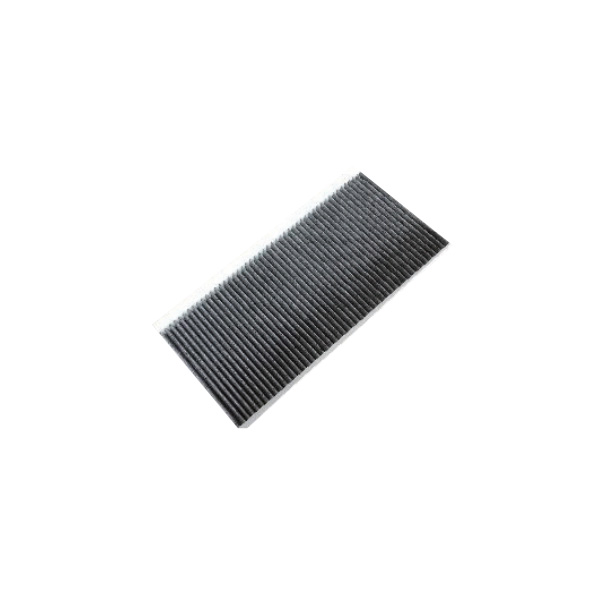
Celrith antibacterial cabin air filters combine high-efficiency HEPA media with high-iodine coconut shell activated carbon to capture PM2.5 particles, dust, and pollen while adsorbing ammonia, sulphides, and exhaust VOCs. They are designed for passenger cars, buses, heavy trucks, and construction machinery, helping drivers and passengers breathe cleaner air inside the cabin. With a low-pressure-drop pleat design and full OEM/ODM customisation, Celrith filters deliver reliable protection for HVAC systems.
Every time you drive, the cabin air intake pulls in a stream of contaminants: fine dust, soot, pollen, and exhaust gases from traffic. These particles are small enough to penetrate deep into the respiratory system, and odours from ammonia and sulphides make the cabin uncomfortable. Over time, these contaminants accumulate in the filter and HVAC system, reducing air quality and forcing the blower to work harder.
Celrith addresses this by using a dual-layer approach: a HEPA layer that physically traps particles down to PM2.5 size, and a coconut shell activated carbon layer with high iodine value that chemically adsorbs odour-causing gases and VOCs. The antibacterial treatment further inhibits the growth of bacteria on the filter surface, keeping the air fresher for longer.
When a cabin filter becomes clogged with particles, airflow through the HVAC system drops, causing the blower motor to draw more current and reducing cooling or heating performance. The accumulation of organic matter and moisture can also promote bacterial and fungal growth, leading to musty odours and potential health concerns for occupants.
Celrith filters are engineered with a low-resistance pleat design that maintains high airflow even when loaded with dust. The high dust-holding capacity means the filter lasts longer, reducing the frequency of replacement and the associated labour costs. By capturing contaminants at the filter, the HVAC evaporator and ductwork stay cleaner, which helps maintain system efficiency over the vehicle's life.
The core of the Celrith filter is a composite structure: a high-precision HEPA filter media layer combined with high-iodine coconut shell granular activated carbon. The HEPA layer provides efficient interception of PM2.5 particles and dust, while the activated carbon layer targets ammonia, sulphides, and exhaust VOCs. The antibacterial coating is integrated into the media to suppress common bacteria such as E. coli and Staphylococcus aureus, with an antibacterial rate of over 99% according to laboratory testing.
The pleated design creates a large surface area within a compact footprint, allowing low airflow resistance and high dust capacity. This means the filter can operate efficiently without overburdening the blower, and it maintains performance over a longer service interval. Celrith filters are available in custom sizes, thicknesses, and pleat counts to match specific vehicle HVAC ducts, ensuring a precise fit and optimal sealing.
| Item | Detail |
|---|---|
| Product name | Automotive Cabin Air Filter (Antibacterial) |
| Core structure | Dual-effect composite: high-precision HEPA media + high-iodine coconut shell granular activated carbon |
| Filtration performance | Efficient interception of PM2.5 particles and dust; deep targeted adsorption of ammonia, sulphides, and exhaust VOCs |
| Airflow characteristics | Good airflow, low operating resistance, high dust holding capacity and long service life |
| Applications | Passenger cars (sedans, SUVs, MPVs), commercial buses, heavy trucks, and construction machinery HVAC systems |
| Customisation | 100% OEM/ODM support for all vehicle models; custom length, width, thickness, and pleat count according to original HVAC duct requirements |
| Quality system | Manufactured in a 50,000 m² plant under IATF 16949 automotive quality management system; CNAS-accredited laboratory testing for automotive-grade quality |
Celrith antibacterial cabin air filters are used by vehicle owners and fleet operators who want cleaner air inside their vehicles. They are suitable for passenger cars, including sedans, SUVs, and MPVs, as well as commercial buses, heavy trucks, and construction machinery. Automotive parts distributors, service chains, and OEMs source these filters for aftermarket and original equipment applications, benefiting from custom sizes that match specific vehicle models.
Whether you drive in heavy traffic, dusty environments, or areas with high pollen counts, the Celrith filter helps reduce exposure to airborne particles and odours. It is also a practical choice for ride-sharing and taxi fleets, where cabin air quality is important for passenger comfort.
Celrith is manufactured by a company with over 20 years of experience in filtration, exporting to Europe, the US, Japan, and Korea for more than two decades. The production facility covers 50,000 m², including 6 cleanrooms totalling 20,000 m², ensuring a contamination-free manufacturing environment. The company holds IATF 16949 certification (obtained in 2024) for automotive quality management, as well as ISO 9001, ISO 14001, and ISO 45001 certifications. Products comply with REACH and RoHS environmental regulations, and compliance documents are available upon request. The in-house CNAS-accredited laboratory provides testing for filtration efficiency, dust holding capacity, and resistance, supporting consistent product quality. With multiple automated production lines, monthly capacity reaches several million pieces, and OEM/ODM services cover size, structure, filter grade, frame material, logo, and packaging customisation.
To receive a quotation or discuss your requirements, please contact us with the following details: your vehicle or device model, required dimensions or a drawing, airflow or water flow specifications, operating conditions, and estimated quantity. Our team will respond promptly with a tailored solution. Contact us today to learn how Celrith filters can meet your needs.
The Celrith filter captures PM2.5 particles, dust, and pollen through its HEPA layer, and adsorbs ammonia, sulphides, and exhaust VOCs with high-iodine coconut shell activated carbon. It also inhibits common bacteria such as E. coli and Staphylococcus aureus, with an antibacterial rate of over 99% in laboratory tests. This dual-action approach helps improve cabin air quality.
The pleated design provides a large surface area with low airflow resistance, allowing the blower to operate efficiently without extra strain. High dust-holding capacity means the filter lasts longer, maintaining airflow and reducing the frequency of replacements. This helps preserve HVAC performance and reduces energy consumption over time.
Yes, Celrith offers full OEM/ODM customisation. We can produce filters in any length, width, thickness, and pleat count to match your vehicle's HVAC duct requirements. Simply provide your vehicle model and dimensions or a drawing, and our team will develop a sample for your approval.
The MOQ for standard models is typically 500–1,000 pieces, while custom models generally require 2,000–5,000 pieces depending on tooling and material needs. Standard lead time is 15–25 days; custom products (including tooling) take about 30–45 days for development and 25–35 days for mass production. Monthly capacity of several million pieces ensures stable supply for large orders.
Under normal driving conditions, we recommend replacing the Celrith antibacterial cabin filter every 15,000–20,000 kilometres or once a year. In heavily polluted or dusty environments, the interval should be shortened to 10,000 kilometres. The filter's dust holding capacity and antibacterial durability have been verified in our CNAS laboratory, and detailed life test reports are available for reference.
Yes, we welcome sample requests for evaluation. Standard stock samples can be shipped within 3–5 working days; custom samples typically take 7–15 working days depending on complexity. Each sample comes with a CNAS laboratory test report covering filtration efficiency, antibacterial rate, resistance, and dust holding capacity, so you can verify performance in your own vehicle or test rig.
Celrith filters are manufactured under IATF 16949 and ISO 9001/14001/45001 systems, and we can provide CNAS test reports, REACH and RoHS compliance declarations, antibacterial test reports (e.g., ISO 22196/JIS Z 2801), and MSDS for customs clearance. Our products have been exported to Europe, the US, Japan, and Korea for over 20 years, and we support customers with the necessary documentation for local regulations.
The antibacterial coating is integrated into the filter media and inhibits the growth of bacteria on the filter surface. It is effective against common strains like E. coli and Staphylococcus aureus with over 99% reduction in lab tests, and the materials used comply with REACH and RoHS, ensuring they are safe for automotive cabin use. The filter does not release harmful substances into the airstream.