
EN

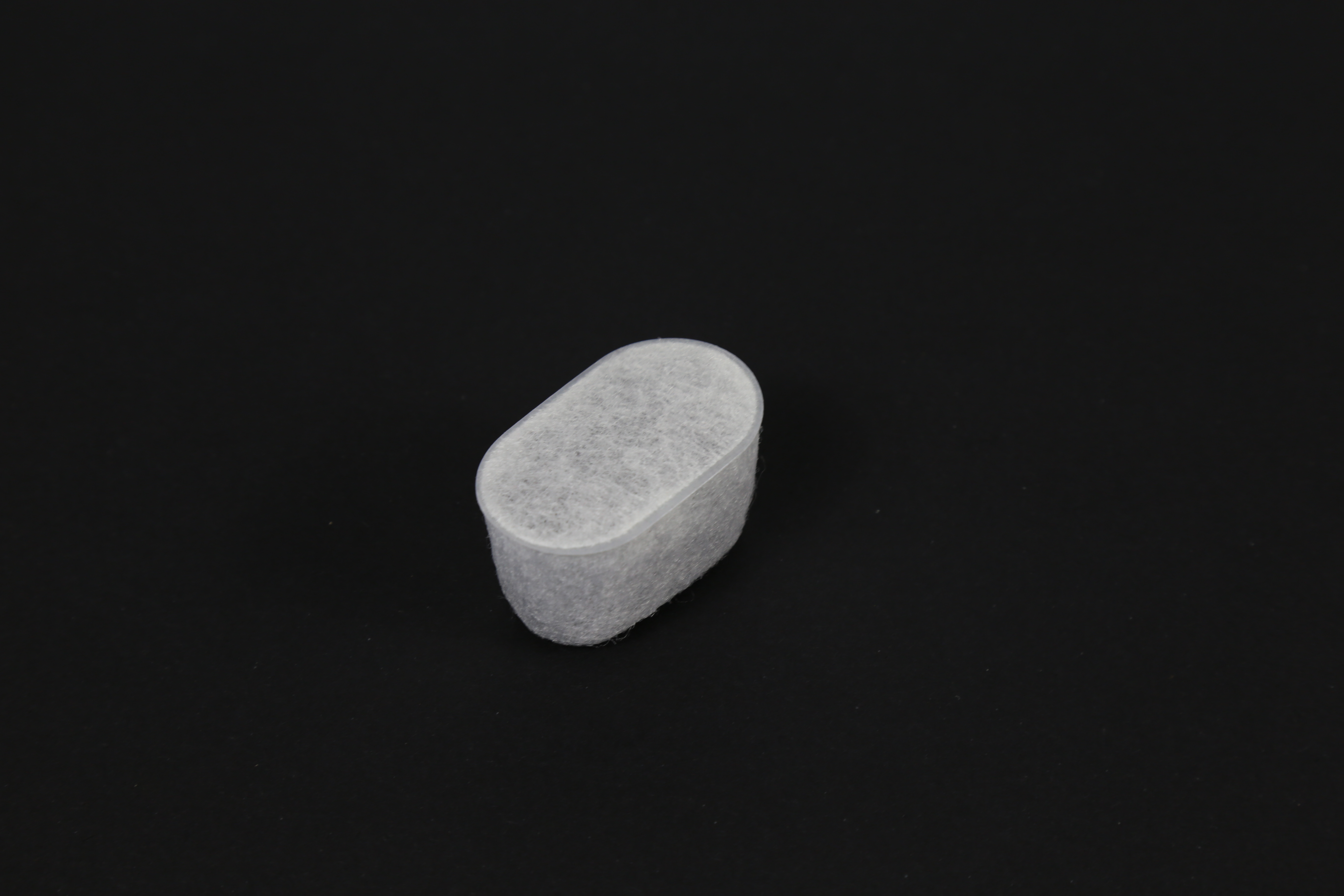
Celrith coffee machine water filters are drop-in cartridges compatible with KEURIG machines, built to reduce the contaminants that spoil coffee: chlorine and off-taste, hardness scale, sediment and organic impurities. They combine coconut-shell activated carbon with food-grade ion exchange resin to protect the brewer from scale and keep the cup clean. The cartridges are made by Celrith for households, offices, cafés and OEM buyers who need consistent water quality across many machines.
Water is the largest ingredient in every cup, so whatever it carries ends up in the taste and in the machine. The main offenders in a coffee water line are chlorine and its by-products, which flatten aroma and leave a chemical aftertaste; calcium and magnesium hardness, which forms scale when water is heated; and suspended sediment such as rust and fine particles that pass through the line. Organic matter and odour compounds add further background notes that mask the flavours the brewer is meant to extract.
The problem is cumulative. A filter is not a single event but a working buffer, and once its capacity is used up, contaminants pass straight through. Celrith designs this cartridge around that reality: the media are selected and packed to hold a defined volume of water, and the stated service life tells you when the buffer is spent so you can replace it before performance drifts.
Scale is the most expensive contaminant in a coffee machine. As hardness minerals precipitate in the heating path, they insulate the element, slow heating and increase energy use, while narrowed passages reduce flow and alter extraction. In commercial settings the effect shows up as longer recovery times between brews, uneven temperature and more frequent service calls. Sediment adds a second load by lodging in valves and small orifices, and chlorine accelerates wear on elastomer parts over time.
For operators running several machines, these effects translate directly into downtime and inconsistent cups. A filter that removes hardness precursors and particulate before the water reaches the boiler relieves that load at the lowest-cost point in the system, and a predictable replacement interval turns water treatment into a scheduled task instead of an emergency repair.
Celrith uses a two-media design. High-quality coconut-shell activated carbon provides a large internal surface area for adsorbing chlorine, odour and organic compounds, while food-grade ion exchange resin exchanges hardness ions to reduce the scale-forming potential of the water. Fine microporous interception captures sediment, rust and other large particles before they enter the brewer. Working together, the media address taste, scale and particulate in one cartridge rather than treating only one of them.
The cartridge is sized as a direct replacement compatible with KEURIG machines, so changing it follows the same routine as the original part. Operating limits are defined for cold-water filtration only: 20–120 psi (approximately 1.4–8.3 bar) and 2°C–38°C. Rated life is about 250 litres or 2–3 months, whichever comes first, depending on local water quality and usage frequency. Heavier water or busier machines call for replacement at the earlier end of that window; softer water and lighter use can extend it.
The same platform is available for automatic, semi-automatic and commercial coffee machines with soft-water requirements, and as an OEM water filter programme. Celrith supports customisation of dimensions and structure, media grade and formulation, logo and packaging, drawing on more than 1,000 filtration solutions developed over 20 years.
| Item | Detail |
|---|---|
| Filtration media | High-quality coconut-shell activated carbon plus food-grade ion exchange resin |
| Micron rating | Fine microporous interception; captures sediment, rust and other large particulate |
| Service life | Approximately 250 litres or 2–3 months, depending on local water quality and usage frequency |
| Operating pressure | 20–120 psi (approximately 1.4–8.3 bar) |
| Operating temperature | 2°C–38°C (cold-water filtration only) |
| Applications | Automatic coffee machines, semi-automatic espresso machines, commercial coffee machine soft-water treatment, OEM water filter cartridges |
| Quality systems | Production under ISO 9001/14001, IATF 16949, medical supplies GMP standard; CNAS national-level testing certification |
Households with KEURIG machines use Celrith cartridges to keep daily coffee tasting clean and to reduce scale in the brewer. Offices and small foodservice sites fit them where several people draw from the same machine and water quality is inconsistent. Cafés and commercial operators use the soft-water version ahead of espresso and automatic machines, where scale control protects the heating system and stabilises extraction.
OEM and ODM buyers use the platform for private-label filter programmes, including custom media formulations matched to a target market's water profile, custom housing dimensions for other machine platforms and multilingual packaging. Distributors and chain purchasers value the defined service life because it makes replacement scheduling and stock planning straightforward.
Celrith products are manufactured in compliance with REACH and RoHS requirements, and compliance documents can be supplied with orders. The company holds ISO 9001, ISO 14001 and ISO 45001 certification, and added IATF 16949 automotive quality management certification in 2024. Production runs in a 50,000 m² plant in Zhongshan, Guangdong, China, which includes six cleanrooms totalling 20,000 m².
An in-house laboratory accredited by CNAS issues test reports covering filtration efficiency, dust-holding capacity and resistance, giving buyers documented performance data alongside each programme. Quality control follows IQC, IPQC and OQC stages through the process, and multiple automated production lines support capacity in the millions of pieces per month. Celrith has more than 20 years of filtration R&D and manufacturing experience, with exports to Europe, the United States, Japan and South Korea over that period, and has developed over 1,000 filtration solutions.
To get a quotation or a recommendation, tell us the device or vehicle model you are fitting, the size or a drawing of the cartridge space, the water flow or airflow required, the operating conditions (pressure, temperature, water hardness) and your target quantity. With those details we can confirm fit, propose a media grade and outline sample and production timing.
Send your requirements through our contact page and our team will respond with the next steps.
It combines coconut-shell activated carbon with food-grade ion exchange resin, so it reduces chlorine, odour and organic compounds, exchanges hardness ions that form scale, and captures sediment and rust through fine microporous interception. The result is cleaner-tasting water and less scale load on the brewer.
The ion exchange resin reduces the hardness minerals that precipitate in the heating path, while the carbon handles taste and odour and the media capture particulate before it reaches valves and orifices. This relieves the load on the heating element and helps maintain flow and temperature stability.
Rated life is approximately 250 litres or 2–3 months, whichever comes first, depending on local water quality and usage frequency. Harder water or heavy daily use calls for replacement at the earlier end of that range.
The cartridge is dimensioned as a direct replacement compatible with KEURIG machines. Celrith also offers OEM/ODM customisation of dimensions, structure, media formulation, logo and packaging for other coffee machine platforms and private-label programmes.
The filter is for cold-water filtration only, with an operating pressure of 20–120 psi (approximately 1.4–8.3 bar) and an operating temperature of 2°C–38°C. Operating within these limits keeps the media performing as rated.
Yes. Share the device model, size or drawing, required flow, operating conditions and target quantity, and our team will confirm fit and propose a media grade. Requests go through our contact page, and sample and quotation details are confirmed for your specific configuration.
MOQ and lead time depend on whether you order a standard compatible cartridge or a customised OEM version with new tooling or packaging. Send your quantity and specification through the contact page and we will confirm the applicable MOQ and schedule.
The materials are food-grade, production follows ISO 9001/14001, IATF 16949 and medical supplies GMP standards, and products comply with REACH and RoHS. CNAS-accredited laboratory testing provides documented performance data. Contact us to discuss your market's documentation needs.