
EN

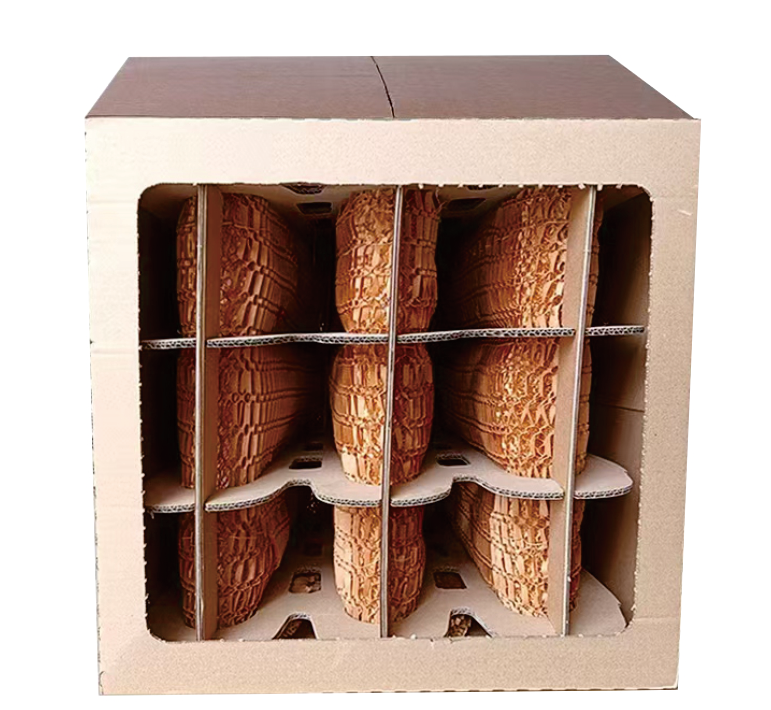
Celrith paint mist filter is a dry labyrinth-cell filter box designed to capture overspray paint particles from spray booth exhaust air. It removes sticky paint mist—especially from water-based and clear coats—before it reaches fans, ducts, and downstream VOCs equipment. It is built for automotive body shops, furniture finishing lines, and industrial coating workshops that want high paint holding capacity without wastewater.
Overspray paint mist is not ordinary dust. It is tacky, aggressive, and tends to form a skin on the surface of conventional media. Once that skin forms, air can no longer pass through the filter face; it finds channels or tears, and paint particles travel downstream. Traditional fiberglass or non-woven paint arrestor pads start with decent efficiency but quickly become saturated and allow penetration. Wet scrubbers handle the stickiness but create a new problem: wastewater laden with paint sludge, chemical oxygen demand, and odor. That water must be treated, and the sludge is hazardous waste. Every shift adds to the cost and compliance burden.
When paint mist escapes the filter stage, it deposits on fan blades, coils, duct walls, and activated carbon. Fan balance suffers, airflow drops, and motor current rises. Ductwork accumulates flammable residue. Downstream VOCs abatement units—especially carbon beds—blind off quickly when they receive sticky paint particles, shortening carbon life and increasing replacement frequency. The result is a cycle of rising pressure drop, falling exhaust volume, more frequent maintenance downtime, and higher disposal costs. In short, a poor first-stage filter shifts the load onto every component behind it.
Celrith uses a labyrinth honeycomb structure that gives paint mist a long, winding path. As paint particles enter the channels, they impinge on the kraft paper walls and are retained. The channels narrow progressively as paint accumulates, so capture efficiency rises rather than falls. Unlike surface-loading pads, the Celrith box holds paint throughout its depth—12 to 18 kg per box—so pressure drop rises slowly and exhaust airflow remains stable. Because the process is dry, there is zero wastewater. Spent filter boxes are simply packed and disposed of as solid waste, avoiding water treatment fees and sludge handling. The flame-retardant kraft paper construction adds a layer of safety for the booth and downstream equipment.
| Item | Detail |
|---|---|
| Filter type | Dry labyrinth honeycomb filter box |
| Paint mist interception rate | 95%+ (efficiency increases as channels narrow with paint load) |
| Paint holding capacity | 12–18 kg per box |
| Airflow resistance behaviour | Rises slowly; exhaust volume remains stable |
| Wastewater generation | Zero (dry process) |
| Construction material | Flame-retardant kraft paper |
| Disposal | Solid waste; pack and dispose of in compliance with local regulations |
| Typical application | Automotive paint booths, furniture spray booths, machinery coating workshops, especially for high-viscosity paint mist from water-based and clear coats |
| System pairing | Often used as first-stage pre-filter before medium-efficiency filter media and activated carbon boxes for combined paint mist and odor control |
| Customisation | OEM/ODM modular sizes available based on booth exhaust structure |
Celrith paint mist filters are used in automotive refinish and parts painting lines, furniture spray booths, construction machinery coating shops, and general industrial paint rooms. They are particularly suited to operations that spray water-based paints, clear coats, or other high-viscosity coatings where conventional arrestor pads blind quickly. Facilities that have converted from wet scrubbers to dry filtration use Celrith boxes to eliminate wastewater and simplify hazardous waste handling. Because the boxes are modular, they can be retrofitted into existing exhaust plenums or specified for new booth builds.
Celrith products are manufactured under ISO 9001, ISO 14001, and ISO 45001 management systems, and our IATF 16949 automotive quality certification (achieved in 2024) supports supply to automotive OEM and Tier 1/Tier 2 customers. Our products meet REACH and RoHS environmental compliance requirements, and we can provide supporting documents for your compliance files. Our in-house CNAS-accredited laboratory tests filtration efficiency, dust/paint holding capacity, and resistance, so you can request data relevant to your selection. The 50,000 m² manufacturing site in Zhongshan, Guangdong, includes 20,000 m² of cleanroom space across six rooms, supporting stable output and consistent quality. With more than 20 years of filtration experience and exports to Europe, the United States, Japan, and South Korea, we support OEM/ODM projects covering dimensions, structure, media grade, frame material, logo, and packaging—over 1,000 filtration solutions developed to date.
To recommend the right Celrith paint mist filter for your booth, please share the following details: your device or vehicle model (if applicable), required size or a drawing, exhaust airflow (m³/h), operating conditions (paint type, temperature, humidity), and estimated quantity. Our engineers will respond with a suitable configuration and quotation. Contact us to start the conversation.
It captures overspray paint mist particles—including sticky residues from water-based paints and clear coats—from spray booth exhaust air. The labyrinth structure traps particles throughout the filter depth, preventing them from reaching downstream fans, ducts, and VOCs equipment. It does not target gases or odors; those are typically handled by a subsequent activated carbon stage.
Each Celrith filter box holds 12–18 kg of paint before saturation. Because the labyrinth channels retain paint throughout the depth, pressure drop rises slowly and you can often run longer between changes compared with surface-loading pads. Actual replacement interval depends on paint type, overspray volume, and booth operating hours; monitor pressure drop and inspect the filter to determine when to change.
Yes. Celrith supports OEM/ODM customisation of dimensions, structure, and modular sizing to match your exhaust plenum. We can also customise media grade, frame material, logo, and packaging. Provide a drawing or dimensions and our team will propose a configuration.
For standard specifications, the MOQ is typically 50–100 pieces. Custom sizes usually start at 100–200 pieces depending on complexity. Standard items ship in 7–15 days; custom orders typically take 25–35 days. We can discuss flexible arrangements for sample orders and new customers.
Yes. We welcome sample testing on your actual spray line. We can supply standard samples for trial, and our CNAS-accredited laboratory can provide test data on efficiency, holding capacity, and resistance to support your evaluation. Contact us with your requirements to arrange samples and a quotation.
The Celrith paint mist filter achieves a paint mist interception rate of 95% or higher. Efficiency actually increases as paint accumulates and the labyrinth channels narrow, unlike surface-loading media that lose efficiency as they blind. This helps protect downstream equipment and maintain exhaust airflow.
Yes. The Celrith filter is a dry process, so it generates zero wastewater. Spent filter boxes are disposed of as solid waste, avoiding water treatment fees and sludge handling. This simplifies compliance and reduces overall operating costs compared with wet scrubbers.
Monitor pressure drop across the filter; replacement is typically due when resistance reaches 2–2.5 times the initial value, or when visual inspection shows heavy paint saturation or breakthrough. Under normal conditions, replacement intervals often range from 1 to 3 months depending on paint load. For specific guidance, contact our engineers with your operating data.